Author: teriedments

  • What You Can Learn From Tiger Woods About Cvv2 Shop

    Cybercriminals often harvest this data through hacking, phishing, or malware attacks. Understanding Dumps: “Dumps” in the context of cybercrime refer to data stolen from the magnetic stripe of a credit card. This information typically includes the cardholder’s name, card number, expiration date, and the Card Verification Value (CVV) code. Proactive Fraud Management: Fe-shops.cc (click this over here now) (click this over here now) Supplementary details contribute to the development of sophisticated fraud management systems.

    By analyzing a wider range of information, businesses can better identify patterns and trends associated with fraud attempts. In the intricate world of cybercrime, one disturbing trend that has emerged is the pursuit of “high valid CVV fraud” by hackers. This article delves into the motivations driving hackers to engage in this illicit activity, shedding light on the implications for individuals and organizations and highlighting the importance of cybersecurity measures.

    Conclusion: High valid CVV fraud represents a significant challenge in the realm of cybersecurity, endangering the financial security of individuals and organizations alike. Understanding the motivations behind this activity underscores the necessity of adopting robust cybersecurity practices, promoting awareness, and fostering collaboration to create a safer digital environment for all. BIN checker software is designed to verify the authenticity of a BIN, helping merchants and individuals ensure that the card being used for a transaction is valid.

    It holds valuable information about the issuing bank and card type. Understanding BIN and BIN Checker Software: BIN, or Bank Identification Number, is the first six digits of a credit or debit card. Black Market Demand: There exists a thriving black market for stolen credit card data. Cybercriminals sell dumps to individuals seeking to engage in fraudulent activities without having to steal the data themselves.

    Personal Identification: Dates of birth (DOB) serve as an additional personal identifier, helping distinguish legitimate cardholders from potential fraudsters who may possess stolen credit card information. Hackers actively seek out credit card details that are not only accurate but also possess high validity rates, meaning they have a greater chance of going undetected during transactions. Understanding High Valid CVV Fraud: High valid CVV fraud involves the use of stolen or obtained credit card information, including the Card Verification Value (CVV), to make unauthorized transactions.

  • 4 Ways You’ll be able to High Balance And Valid Dumps Shop Without Investing A lot Of Your Time

    Conclusion: The fusion of ATMs and credit cards has streamlined financial interactions, offering unparalleled convenience and flexibility in the modern banking landscape. By understanding the roles and benefits of both ATMs and credit cards, individuals can effectively manage their finances, access funds, and make transactions with confidence in the digital age. These digits provide essential information about the issuing bank, card type, and geographic location. Understanding BIN Checker Software: BIN (Bank Identification Number) Checker Software is a specialized tool that allows businesses to verify the authenticity and details of payment cards, such as credit and debit cards, by analyzing the first few digits of the card number.

    As technology continues to advance, so do the tactics employed by cybercriminals to exploit stolen credit card data for financial gain. Conclusion: Selling Dumps Good fresh Cvv is a grave manifestation of cybercrime, posing significant threats to both individuals and the integrity of digital transactions. By fostering a culture of cybersecurity awareness, implementing stringent preventive measures, and collaborating with law enforcement, individuals and businesses can collectively combat the menace of selling Dumps Good Fresh and work toward a safer and more secure digital landscape.

    While the usage and importance of CVV codes are the same for both credit and debit cards, it’s crucial to remember that debit cards are directly linked to your bank account. This makes protecting your CVV code even more vital, as unauthorized transactions can have an immediate impact on your finances. Debit Cards and CVV Codes: Debit cards, like credit cards, also feature CVV codes to enhance security during card-not-present transactions.

    This article explores the dynamic synergy between ATMs and credit cards, shedding light on their benefits, functionalities, and the convenience they bring to modern banking. In the digital age, the integration of Automated Teller Machines (ATMs) and credit cards has revolutionized the way individuals access funds and manage their finances. It serves as an additional layer of security for card-not-present transactions, such as online purchases, where the physical card is not used.

  • Are You Embarrassed By Your Hacked Cvv Skills? Here is What To Do

    In conclusion, hackers target bank accounts with credit cards due to the financial gain, potential for identity theft, and demand for stolen data. Recognizing the motives behind these attacks underscores the importance of proactive cybersecurity practices to safeguard sensitive financial information and mitigate the risks associated with cybercrime. Once they gain access to an individual’s bank account, they can tap into the linked credit card information.

    Weak Security Practices: Hackers often exploit weak security practices, such as using easily guessable passwords or falling for phishing scams. Reducing False Positives: Fraud detection systems use supplementary information to reduce false positives in identifying suspicious transactions. This prevents genuine transactions from being needlessly flagged as fraudulent. This article delves into the reasons why buying gift cards without CVV is illicit and explores its connection to online fraud.
    One such activity involves buying gift cards without the Card Verification Value (CVV) code, a practice that is not only illegal but also associated with fraudulent activities. The internet has transformed the way we shop and transact, but it has also given rise to new forms of cybercrime. Identity Theft and Fraud: Hacked credit card information can lead to identity theft, where cybercriminals assume the victim’s identity to open new accounts, apply for loans, or even commit other forms of cybercrime.

    This can have far-reaching consequences for victims, affecting their credit scores and financial stability. Conclusion: The sale of dumps for online shopping underscores the dark underbelly of cybercrime, driven by financial gain and black market demand. As individuals and businesses increasingly rely on online transactions, it’s imperative to stay informed about cybersecurity risks, practice safe online behavior, and work collectively to combat the threats posed by these illicit activities.

    Understanding the Fraud Economy: The fraud economy encompasses a vast network of cybercriminals, scammers, and fraudsters who collaborate to profit from illegal endeavors. These activities range from creating fake credit cards and counterfeit documents to orchestrating large-scale data breaches. The fraud economy operates within the hidden corners of the internet, utilizing anonymity to conduct transactions and share resources.

    In the dynamic realm of financial transactions, credit card (CC FULLZ INFO (diamonddumps.cc) (diamonddumps.cc)) security stands as a paramount concern for both consumers and businesses.

  • Best Dumps Cards Credit – The Conspriracy

    Understanding High Valid CVV Fraud: High valid CVV fraud involves the use of stolen or obtained credit card information, including the Card Verification Value (CVV), to make unauthorized transactions. Hackers actively seek out credit card details that are not only accurate but also possess high validity rates, meaning they have a greater chance of going undetected during transactions. Embracing the Future of Transactions: Paying with credit cards on the internet has not only reshaped the way we fe shop cvv2 but has also propelled the growth of e-commerce and digital business models.

    As technology continues to evolve, innovations like contactless payments and virtual credit cards are further enhancing the convenience and security of online transactions. Use Strong Authentication: Opt for two-factor authentication (2FA) whenever possible. This adds an extra layer of security by requiring a second form of verification, such as a text message code or fingerprint scan. These stolen card details can be sold on the dark web or used to make fraudulent transactions, leading to quick and substantial monetary gains for cybercriminals.

    Financial Gain: The primary motivation for hackers pursuing high valid CVV fraud is financial profit. This article explores the seamless experience of using credit cards for internet transactions, highlighting their benefits, security measures, and best practices to ensure safe online shopping. One of the cornerstones of this transformation is the ability to pay with credit cards online. The digital era has revolutionized the way we shop, conduct business, and manage our finances.

    By understanding the benefits of this method, adhering to security practices, and staying informed about the evolving landscape of online payments, individuals can confidently embrace the digital future while ensuring their financial safety.

  • Eight Ways A Random Cvv2 Lies To You Everyday

    Law enforcement efforts, cybersecurity measures, and public awareness are crucial in combating the presence of CVV shops and mitigating their adverse impact on the digital landscape. In conclusion, CVV shops are illegal due to their involvement in the sale of stolen credit card data obtained through criminal activities. These shops enable fraudulent transactions, identity theft, and privacy violations, causing significant harm to individuals and businesses. This information is stolen from innocent individuals without their consent or knowledge.

    Stolen Data: The primary reason CVV shops are illegal is that the data they sell is obtained through criminal activities, such as data breaches, phishing attacks, and hacking. Violation of Privacy: The sale and purchase of personal financial information in CVV shops infringe upon individuals’ privacy rights. This type of unauthorized access to personal data is a breach of privacy laws and ethical standards. In the world of credit card fraud, “card hopping” what is a Credit card dump just one of the many techniques that fraudsters use to exploit vulnerabilities and evade detection.

    By staying informed, monitoring your accounts, and practicing good cybersecurity habits, you can better protect yourself from falling victim to these stealthy tactics. By adopting a cautious approach, educating yourself about cybersecurity best practices, and promptly addressing any suspicions of compromise, you can significantly reduce the risk of falling victim to CVV shop compromises and other cybercrimes. Conclusion: Staying vigilant and proactive is crucial in today’s digital landscape where cyber threats are constantly evolving.

    Safeguarding your financial security requires a combination of awareness, informed decision-making, and taking swift action when needed. Access to Valuable Assets: Bank accounts linked to credit cards hold a treasure trove of sensitive information, making them an attractive target for cybercriminals. Credit card details, personal identification, and financial records are all accessible within these accounts, allowing hackers to exploit this information for their gain.

    Identity Theft and Fraud: Hacked credit card information can lead to identity theft, where cybercriminals assume the victim’s identity to open new accounts, apply for loans, or even commit other forms of cybercrime. This can have far-reaching consequences for victims, affecting their credit scores and financial stability. Understanding Scammers and Their Tactics: Scammers are individuals who use cunning strategies to trick people into giving away their money, personal information, or valuable assets.

  • The 3 Really Obvious Methods To Good Cc Shop Higher That you simply Ever Did

    Moreover, the advent of chip-and-PIN technology and biometric authentication has further bolstered security, making it harder for unauthorized parties to access funds. Enhanced Security: Credit cards provide an added layer of security compared to cash transactions. In case of theft or fraud, credit cardholders are usually protected by their card issuer’s policies. While the usage and importance of CVV codes are the same for both credit and debit cards, it’s crucial to remember that debit cards are directly linked to your bank account.

    This makes protecting your CVV code even more vital, as unauthorized transactions can have an immediate impact on your finances. Debit Cards and CVV Codes: Debit cards, like credit cards, also feature CVV codes to enhance security during card-not-present transactions. It not only undermines security measures but also contributes to the perpetuation of fraudulent activities. Conclusion: Buying gift cards without CVV may seem like a shortcut for individuals seeking anonymity, but it’s important to understand the broader implications of this practice.

    Additionally, raising awareness about the potential risks associated with gift card fraud can help individuals and businesses stay vigilant and informed, mitigating the impact of such activities on both personal finances and the broader economy. By adhering to legal and ethical online practices, consumers can protect themselves and contribute to a safer digital landscape. Anonymity: Selling dumps allows cybercriminals to profit from their illicit activities while maintaining a degree of anonymity.

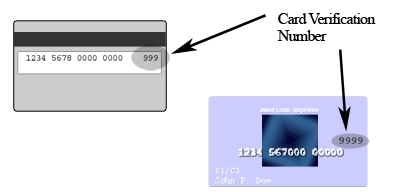
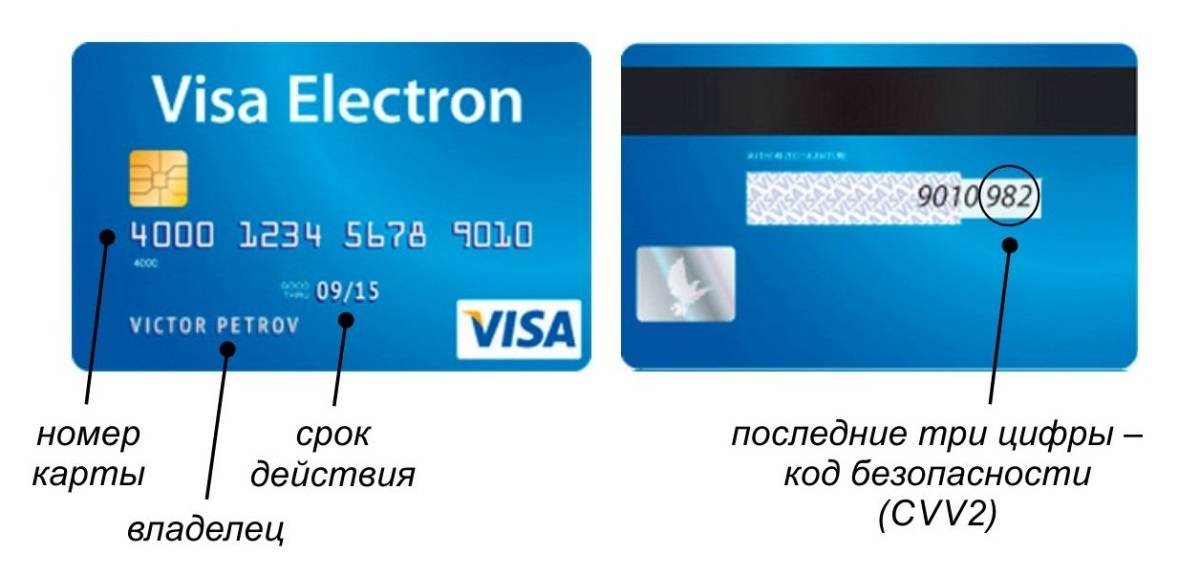
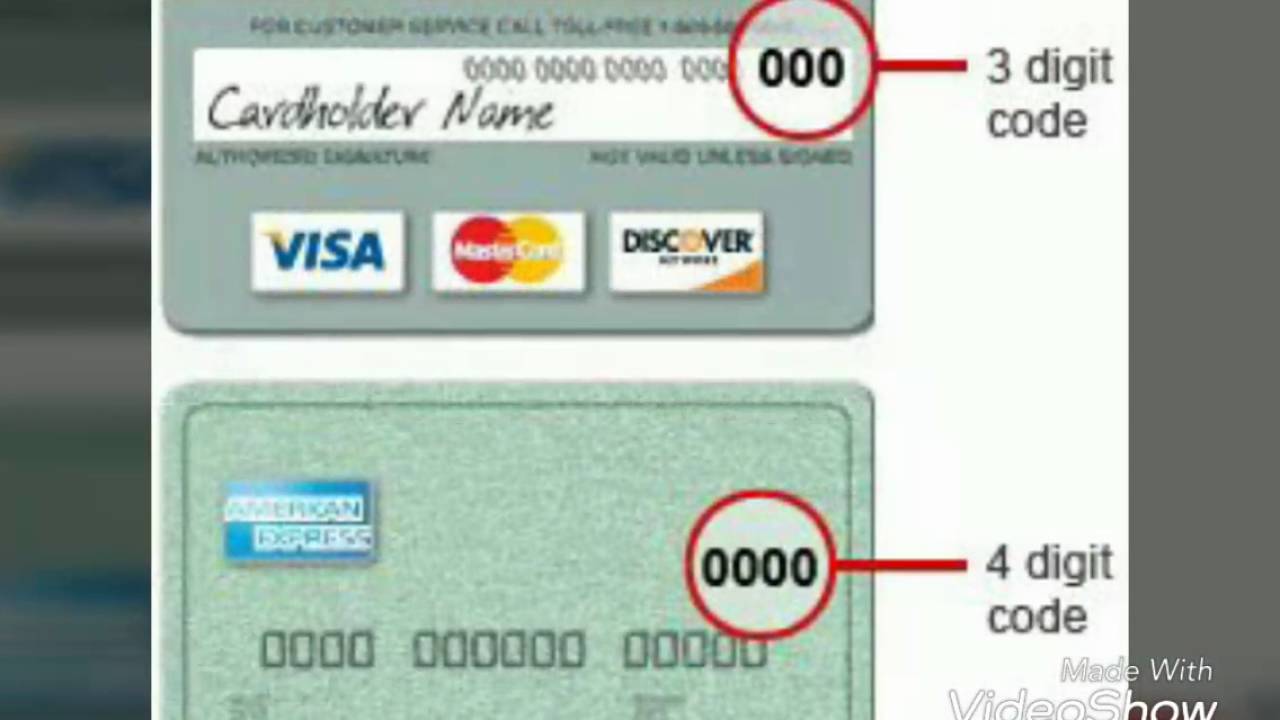
    By distributing the stolen data to other criminals, the original perpetrators can distance themselves from the actual transactions. It serves as an additional layer of security for card-not-present transactions, such as online purchases, where the physical card is not used. What is a CVV Code? The Card Verification Value (CVV) code, also known as the Card Verification Data (CVD) or Card Security Code (CSC), is a three- or four-digit code located on the back of hacked credit cards with cvv (Feshop2017.us) (Feshop2017.us) and debit cards.

  • Dump Checker Guide

    Conclusion: Hacking card Golden Dumps with Track 1&2 data and PIN information highlights the darker side of cybercrime, driven by financial incentives and black market demand. Understanding the motivations behind these actions underscores the importance of practicing vigilant cybersecurity measures, safeguarding personal information, and promoting awareness to create a safer digital environment for individuals and businesses.

    The world of cybercrime is fraught with various tactics designed to exploit vulnerabilities in digital transactions, and one such threat is the phenomenon of “Fresh Clone Cards” fraud. This article delves into the realm of Fresh Clone Cards fraud, shedding light on its methods, risks, and the steps individuals and businesses can take to safeguard themselves against this growing threat. Understanding the methods employed by cybercriminals, recognizing the associated risks, and implementing robust cybersecurity practices are essential steps to safeguarding financial information and preventing falling victim to this form of cybercrime.

    Conclusion: Fresh Clone Cards fraud represents a significant challenge in the digital age, posing risks to both individuals and businesses alike. By working together and staying informed, we can collectively contribute to a safer online environment for everyone. Understanding Fullz: Fullz are prized possessions in the underground world of cybercrime, as they provide cybercriminals with the tools to commit identity theft, financial fraud, and other illicit activities.

    A complete set of personal information allows criminals to impersonate individuals, make unauthorized transactions, and even commit tax fraud. Understanding Fresh Clone Cards Fraud: Fresh Clone Cards fraud involves the creation and use of counterfeit credit or debit cards, commonly referred to as “clones.” These clones are crafted using stolen card data, often obtained from data breaches, phishing attacks, or compromised point-of-sale terminals. This article explores why purchasing live fullz is illegal and the risks associated with such activities.

    While the allure of such data may be strong, it’s crucial to recognize that the acquisition and use of live fullz is illegal and fraught with ethical and legal implications.

  • Take The Stress Out Of Cvv Dumps With Pin

    Without a reliable database to cross-reference against, individuals and businesses are at risk of falling victim to these sophisticated scams. As technology evolves, so do the tactics employed by fraudsters, making it crucial to stay vigilant. In today’s interconnected world, advanced counterfeiting methods have become a significant concern, especially in the realm of financial transactions and identity verification. This article sheds light on the intricacies of advanced counterfeiting and emphasizes the pivotal role that databases play in preventing deception.

    These elements are often used to facilitate unauthorized financial transactions, validsu.su [validsu.su] leading to financial losses for victims. Understanding Card Dumps Track 1&2 with PIN: Card dumps with Track 1&2 data and PIN information involve stealing and trafficking sensitive payment card information, including the magnetic stripe data (Track 1&2) and the associated personal identification number (PIN). These actions can lead to significant financial losses and emotional distress for victims. Fraudulent Transactions: The data sold in CVV shops is often used for fraudulent activities, including unauthorized purchases, identity theft, and financial scams.

    Use Strong Authentication: Opt for two-factor authentication (2FA) whenever possible. This adds an extra layer of security by requiring a second form of verification, such as a text message code or fingerprint scan. Understanding CVV Fraud: The CVV code, a three- or four-digit number typically found on the back of a credit or debit card, is a crucial security feature designed to verify that the cardholder has the physical card in their possession during transactions.

    CVV fraud occurs when cybercriminals gain unauthorized access to this code, allowing them to make fraudulent online purchases or withdrawals. These methods include high-quality printing, replication of security features, and even digitally manipulated images that can easily deceive the human eye. The Landscape of Advanced Counterfeiting: Fraudsters have honed their craft, utilizing cutting-edge technology to create counterfeit documents, payment cards, and identification.

    Embracing these technologies helps individuals and businesses fortify their defenses, enabling them to make informed decisions and navigate the complex landscape of advanced counterfeiting with confidence. Conclusion: The realm of advanced counterfeiting is evolving rapidly, and staying ahead of fraudsters requires the use of comprehensive databases for verification.WHAT IS MY CVV NUMBER - YouTube

  • The professionals And Cons Of Carding Mafia

    By understanding best practices for online security and leveraging the innovations of the digital era, individuals can confidently and safely utilize credit cards on the internet to enhance their online experiences. Conclusion: In the vast expanse of the internet, credit cards have emerged as a cornerstone of digital commerce. They empower individuals to explore a world of products and services with unparalleled convenience and security.

    Motivations Behind Thief Hacking: Thief hackers are primarily driven by financial gain. Their goal is to obtain valuable assets that they can quickly convert into money. This might include stolen credit card information, personal data for identity theft, or even intellectual property that can be sold to the highest bidder. By recognizing the red flags of fraudulent shopping sites and adopting safe online shopping practices, you can enjoy the benefits of e-commerce while minimizing the risks of falling victim to scams.

    Remember, staying informed and vigilant is key to navigating the digital marketplace with confidence. The convenience of online shopping shouldn’t come at the cost of your security. Empowering Online Transactions: Credit cards have become synonymous with online commerce, providing a convenient and secure method for making purchases on the internet. Their digital integration has democratized access to a global marketplace, allowing individuals to shop, pay bills, and book services from virtually anywhere in the world.

    Phishing emails, deceptive phone calls, and impersonation are some of the tactics they employ. Social Engineering: Thief hackers are adept at exploiting human psychology to manipulate victims into divulging confidential information. This article delves into why Cheap CVV (deluxedumps.ws) (deluxedumps.ws) shops are illegal and the repercussions they have on individuals, businesses, and the broader cybersecurity landscape. Unfortunately, it has also paved the way for illegal activities, including the existence of CVV shops.

    The digital era has brought about remarkable advancements, enabling online transactions that offer convenience and efficiency. This article delves into the vital role of credit cards on the internet, exploring their impact, benefits, and considerations for users. The rise of the internet has fundamentally transformed the way we conduct business, communicate, and access information. Among the many elements that have been reshaped by this digital landscape, credit cards have emerged as a pivotal tool for enabling secure online transactions.

    In the age of online shopping, the convenience of making purchases from the comfort of your home is unparalleled. Understanding the signs of fraudulent shopping sites is essential to safeguarding your personal and financial information.

  • Want To Step Up Your Forum Cvv? You Need To Read This First

    In conclusion, the fraud economy’s existence underscores the need for a united effort to combat illicit activities that harm individuals, businesses, and economies. While the challenges are formidable, a combination of technology, education, legal frameworks, and international cooperation can work to mitigate the impact of the fraud economy and create a safer digital landscape for everyone. Remember, staying informed and vigilant is key to navigating the digital marketplace with confidence.

    By recognizing the red flags of fraudulent shopping sites and adopting safe online shopping practices, you can enjoy the benefits of e-commerce while minimizing the risks of falling victim to scams. The convenience of online shopping shouldn’t come at the cost of your security. From elaborate online scams to impersonation tactics, cvvshop scammers employ a range of strategies to deceive and manipulate unsuspecting victims. This article delves into the world of scammers and their fraudulent schemes, shedding light on their tactics and providing insights into how to recognize and protect oneself from falling victim.

    In today’s digital age, scammers have become increasingly sophisticated in their methods, preying on individuals’ trust and vulnerabilities to perpetrate fraud. However, this digital marketplace also presents opportunities for fraudulent actors to create deceptive shopping sites that prey on unsuspecting consumers. Understanding the signs of fraudulent shopping sites is essential to safeguarding your personal and financial information.

    In the age of online shopping, the convenience of making purchases from the comfort of your home is unparalleled. This article delves into the world of fraudulent shopping sites, providing insights on how to spot them and offering tips to stay safe while shopping online. Black Market Demand: The underground market for stolen card data is robust. Cybercriminals sell card dumps and PINs to buyers looking to commit fraudulent activities without having to obtain the data themselves.

    Hackers actively seek out credit card details that are not only accurate but also possess high validity rates, meaning they have a greater chance of going undetected during transactions.