Physical Break-ins: Unlike pure hackers, thief hackers often complement their digital prowess with physical theft. They might physically break into locations to steal devices, documents, or other assets that can be monetized. Understanding Western Union Hack Fraud: Western Union is a widely recognized global money transfer service that enables individuals to send and receive funds across borders. Hack fraud involving Western Union typically involves unauthorized access to individuals’ accounts or the manipulation of transactions for financial gain.
Phishing emails, deceptive phone calls, great Dumps Vendor and impersonation are some of the tactics they employ. Social Engineering: Thief hackers are adept at exploiting human psychology to manipulate victims into divulging confidential information. In the intricate realm of cybersecurity, a unique and concerning breed of cybercriminals known as “thief hackers” has emerged. This article delves into the world of thief hackers, exploring their methods, motivations, and the steps you can take to protect yourself from their malicious activities.
These individuals combine the skillsets of both traditional thieves and hackers, blending the real-world art of theft with the digital sophistication of cyber intrusions. This article aims to shed light on the risks associated with Western Union hack fraud, explore how it occurs, and provide insights into prevention measures. The digital age has brought unprecedented convenience to financial transactions, but it has also given rise to new forms of cybercrime, including Western Union hack fraud.
Remember, a combination of digital awareness, cautious behavior, and preparedness can go a long way in protecting yourself from the threats posed by thief hackers.
 The realm of cybercrime is characterized by its complexity and ever-evolving techniques. This article delves into the motivations driving hackers to pursue such illicit endeavors and highlights the implications of these actions for individuals and the broader cybersecurity landscape. Among the concerning activities within this
 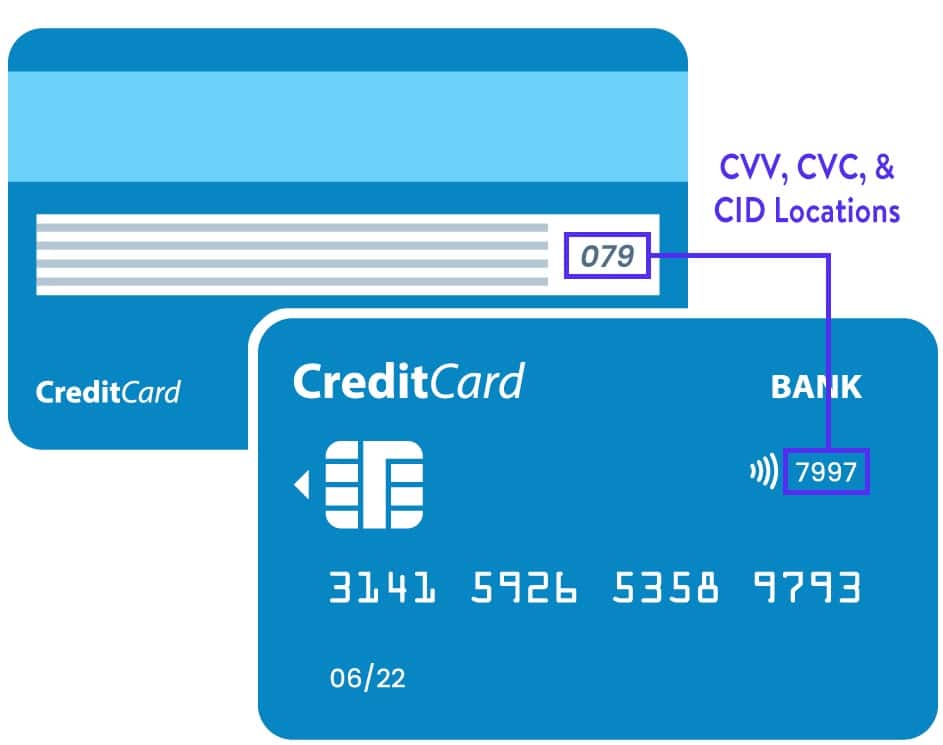 Impersonation and Social Engineering: Criminals often impersonate trustworthy figures, great dumps.to (
 By implementing robust authentication measures, educating consumers, and fostering a secure online environment, we can collectively combat the negative impact of cardable sites non VBV and create a safer digital landscape for everyone. It’s essential for individuals, businesses, and online platforms to recognize the risks associated with carding and take proactive steps to enhance online security. Conclusion: Cardable sites non VBV are part of the broader landscape of cybercrime, where stolen credit card data is exploited for unauthorized purchases.
 By recognizing the red flags of fraudulent shopping sites and adopting safe online shopping practices, you can enjoy the benefits of e-commerce while minimizing the risks of falling victim to scams. The convenience of online shopping shouldn’t come at the cost of your security. Remember, staying informed and vigilant is key to navigating the digital marketplace with confidence. However, this digital marketplace also presents opportunities for fraudulent actors to create deceptive shopping sites that prey on unsuspecting consumers.