It involves a careful orchestration of timing, multiple card accounts, and strategic transactions to make unauthorized purchases without immediately alerting the cardholder or the financial institution. Understanding Card Hopping: Card hopping is a deceptive technique wherein fraudsters manipulate the payment system’s vulnerabilities to exploit temporary authorizations on credit and debit cards. This article sheds light on a few notable instances of credit card fraud that have captured attention in recent years.
By exploring real-world examples of credit card fraud, we can gain insight into the various methods used by criminals to deceive individuals and organizations. Credit card fraud continues to evolve, with fraudsters employing ingenious tactics to exploit vulnerabilities in the financial system. During this window, they may make a series of quick transactions that exploit the remaining available credit on the card before the initial authorization is settled.
Exploiting the Gap: Fraudsters capitalize on the time gap between the temporary authorization and the final settlement of the transaction. In an era where digital convenience reigns supreme, online transactions have become an integral part of our daily lives. One prominent aspect of this digital landscape is the use of credit cards for online purchases. This article explores the benefits and considerations of using credit cards for online transactions, FeShop [click here!] [click here!] offering insights into how to make secure and informed choices in the virtual marketplace.
Understanding Dumps Good Fresh: “Dumps” typically refer to stolen credit card data that includes sensitive information like card numbers, expiration dates, and CVV codes. The term “Good Fresh” implies that the stolen data is recent and still viable for use in fraudulent transactions. Fraudsters create fake online stores or listings, enticing shoppers with unrealistically low prices. After receiving payment, they disappear, leaving customers with neither the promised product nor a refund.
Online Shopping Fraud: Online platforms have become breeding grounds for credit card fraud. Online platforms provide a space for hackers to showcase their capabilities, connect with peers, and engage in healthy competition that fosters skill development. Skill Enhancement and Recognition: Promotion of hacking activities can also stem from the desire for recognition and the enhancement of technical skills. Understanding CVV Shops: CVV (Card Verification Value) shops are illegal online platforms where cybercriminals sell stolen payment card data, including card numbers, expiration dates, and CVV codes.
 Investment and Ponzi Schemes: Scammers promise lucrative returns on investments, drawing in victims who are eager to grow their wealth. By fostering a culture of cybersecurity awareness, implementing stringent preventive measures, and collaborating with law enforcement, individuals and businesses can collectively combat the menace of selling Dumps Good Fresh and work toward a safer and more secure digital landscape. Conclusion: Selling Dumps Good Fresh is a grave manifestation of cybercrime, posing significant threats to both individuals and the integrity of digital transactions.
 In the event of potential security breaches, businesses can promptly inform cardholders about the situation, allowing for quick response and mitigation. Strengthened Communication: The inclusion of contact information facilitates direct communication between businesses and cardholders. Card Skimming: Card skimming involves placing small devices called skimmers on legitimate card readers, such as ATMs or point-of-sale terminals.
 This article delves into the concept of data links, their significance, types, and their role in facilitating efficient communication in today’s interconnected world. In the age of digital connectivity, the term “data links” has gained prominence as an essential tool for enabling seamless information exchange between systems, devices, and networks. Card Issuance and Verification: Dumps data from payment cards’ magnetic stripes can be used by legitimate entities to issue new cards, verify the authenticity of payment cards, and ensure their functionality.
 Understanding the Fraudulent Sale of PayPal and Bank Logins: The illicit sale of PayPal and bank logins involves the unauthorized access to individuals’ online payment accounts and financial institutions’ systems. Understanding the motivations behind these fraudulent activities underscores the importance of robust cybersecurity practices, consumer education, and collaboration among financial institutions and law enforcement agencies. By taking proactive measures and staying informed, individuals can fortify their defenses against such threats, contributing to a safer and more secure digital environment for all.
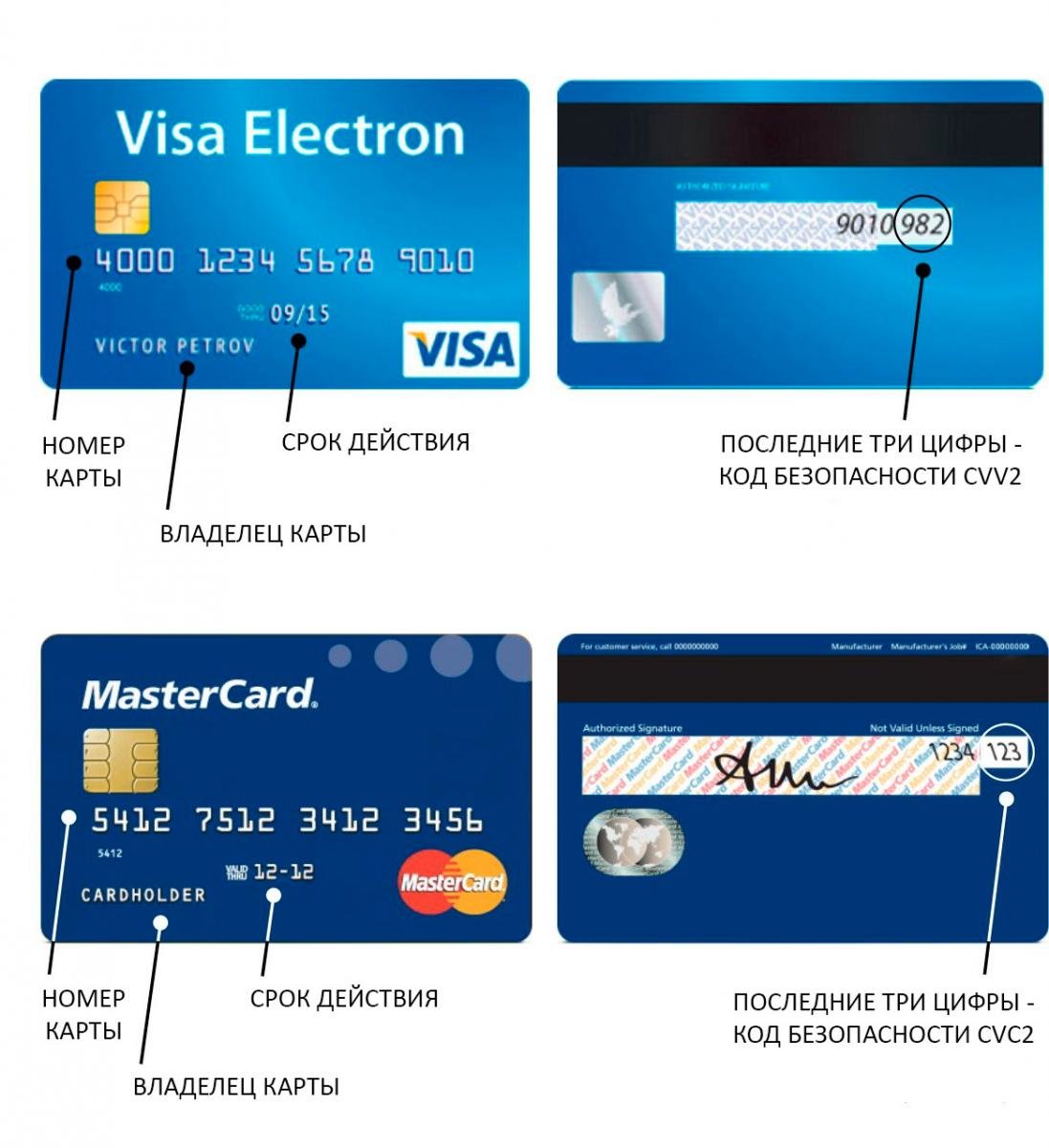 This article provides insights into what CVV codes are, why they are important, and how to use them effectively when making debit card transactions. In the digital age, arming yourself with knowledge is the most potent defense against online scams and fraud. Remember, awareness is a powerful tool in the ongoing battle against deception in the digital world. By researching different types of scams, staying informed, and practicing caution, you can create a safer online environment for yourself and
  Conclusion: The sale of PayPal and bank logins on the internet is a grave form of cybercrime that threatens financial security and personal privacy. Understanding the motivations behind these fraudulent activities underscores the importance of robust cybersecurity practices, consumer education, and collaboration among financial institutions and law enforcement agencies. Conclusion: Western Union money transfers have established themselves as a convenient and accessible way to move funds across borders.